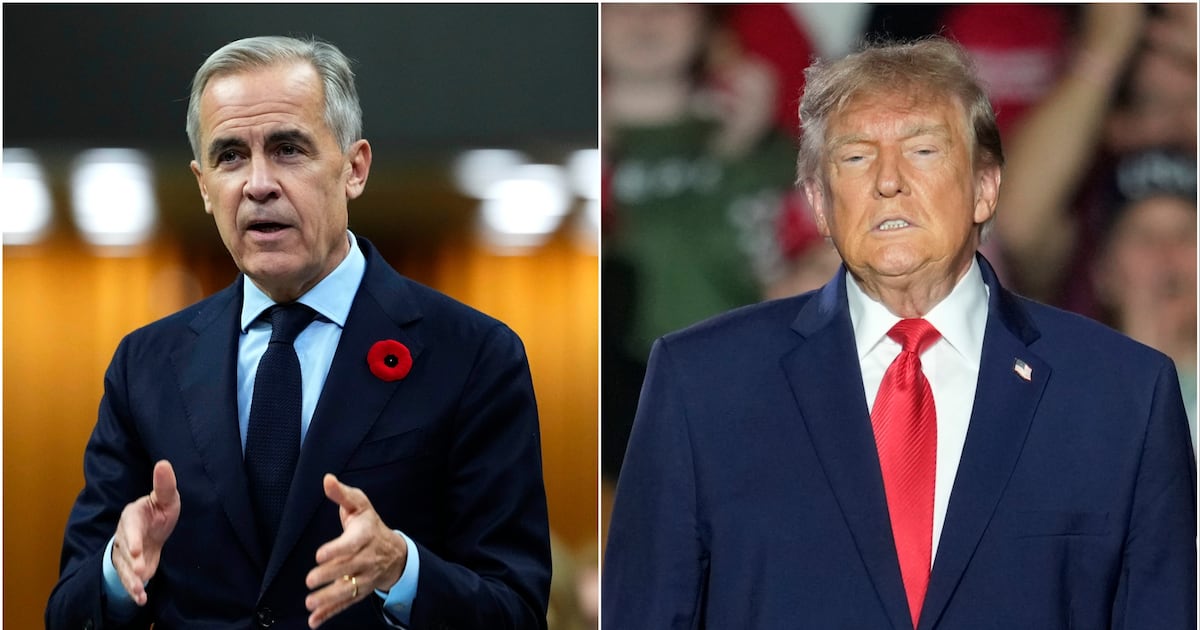
Trade negotiations between Canada and the United States have taken a constructive turn following direct communications between Canadian Prime Minister Mark Carney and U.S. President Donald Trump. Speaking on Sunday, President Trump expressed optimism about the trajectory of the discussions, stating that the two nations are "very close to having a deal." Prime Minister Carney characterized recent exchanges as productive while emphasizing that any final agreement must protect Canada’s core economic and sovereign interests.
The developments follow a weekend phone call confirmed by the Prime Minister’s Office, building on weeks of preliminary discussions between officials from both nations. The shift in tone comes after months of friction that saw trade talks stall and new tariff measures implemented, creating significant strain across key industrial sectors on both sides of the border.
Shifting Dynamics and Domestic Priorities
The renewed momentum in bilateral talks coincides with heightened political activity in Washington, where upcoming midterm elections have intensified focus on cross-border trade policy. Regional economic pressures—particularly in border states and agricultural hubs—have highlighted the broader implications of prolonged trade friction.
Canadian officials have maintained that any potential agreement must safeguard vital national sectors, including agriculture, manufacturing, and cultural protections. Prime Minister Carney reiterated that while Canada remains open to resolving outstanding issues, negotiators will not compromise on essential Canadian terms.
"Which means that we were not willing to sign what was offered in August," Carney noted, addressing reporters in Ottawa and underscoring the government's measured approach to the timeline.
Opposition leaders in Canada have pressed the administration to secure a definitive resolution quickly, citing the impact of economic uncertainty on workers and businesses. Meanwhile, U.S. representatives emphasized that engagement will continue over the coming weeks as both teams review proposed terms.
Public Reaction and Analytical Perspectives
The announcement has generated varied commentary among economic observers and the public, reflecting mixed expectations regarding the stability of any potential accord. Some market analysts suggest that political deadlines in the United States may create opportunities for compromise, while others advocate for caution until formal terms are published.
Observing the rapid shifts in tone from leadership, one observer noted, "So Trump will sign a deal that's virtually identical to CUSMA and claim its something different and better for America." Another highlighted the lingering uncertainty in long-term trade commitments, asking, "What does Carney say? I don’t trust a thing out```json
{

